

Vacuuming and deep cleaning solve different problems
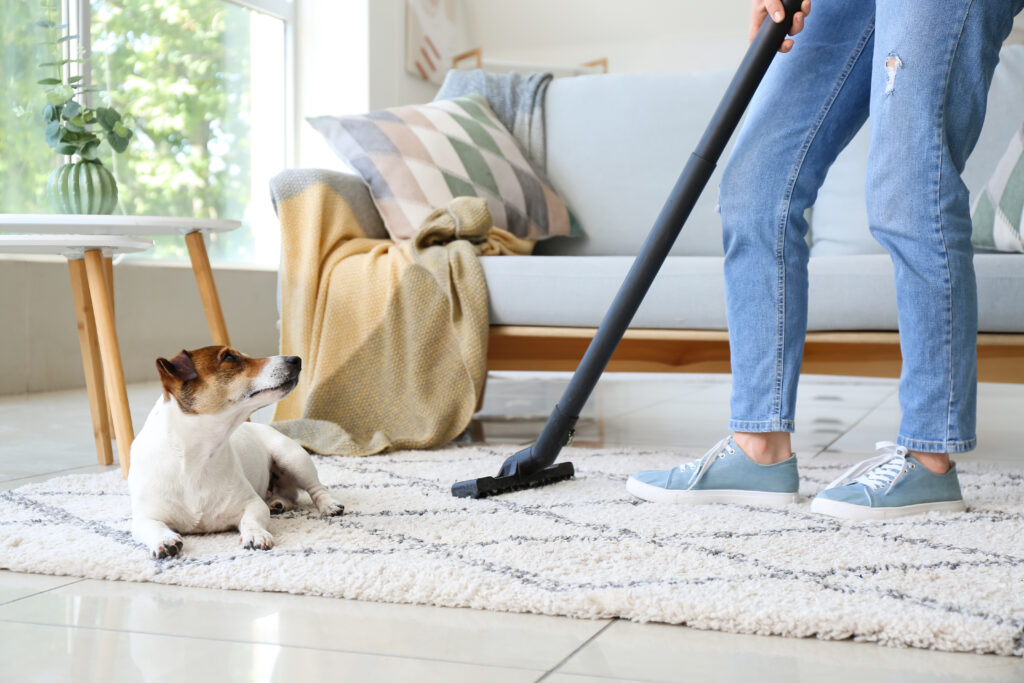
Keep vacuuming: it picks up loose grit, hair and crumbs before foot traffic works them further into carpet. But suction alone may leave embedded soil and residues from spills behind. If the carpet looks better after a slow vacuum pass, routine care may be enough for now. If traffic lanes stay dull, a spot remains sticky or an odor persists, consider a deeper clean rather than repeating the same pass.
Four limits of vacuuming
Fine allergens can remain in carpet and upholstery
Pollen, pet dander and dust-mite material can settle among fibers. Vacuuming removes some of it, especially when the machine contains the dust it collects, but it does not guarantee that every fine particle is gone. Regular cleaning of other fabric surfaces also matters when they collect the same debris.
Vacuuming is not disinfection
Picking up visible dirt is different from treating bacteria, viruses or fungi. A dry vacuum pass does not disinfect a spill or make a contaminated surface safe. For a spill on a hard, compatible surface, use a product intended for that surface and follow its label, including the required contact time.
Attachments cannot reach every surface
Carpet edges, tight corners and the space behind furniture can collect dust between cleanings. Use a crevice tool where it fits, then wipe accessible hard surfaces with a microfiber cloth. A long-reach duster can address high ledges that a floor vacuum does not touch.
Clean carpet is only one part of indoor air care
Ventilation and filtration address airborne particles, while carpet cleaning addresses material held in fibers. If outdoor pollen or smoke is heavy, opening windows may bring more particles inside; choose ventilation with current outdoor conditions in mind. Reducing dust at entryways can also limit what gets tracked onto carpet.
How we use steam alongside routine cleaning
At UpFront Home Services, we use high-temperature steam to loosen embedded dirt and grime and help with deeper stain removal. We offer it as a chemical-free cleaning option. Heat and cleaning can reduce some contaminants, but results depend on the material, the soil and how long heat reaches it. No carpet treatment should be treated as a guarantee that every allergen or germ is eliminated.
Steam cleaning and hot water extraction are different methods
“Steam cleaning” may describe hot vapor applied to a surface, or it may be used informally for hot water extraction. Extraction applies water and removes it with suction; steam treatment uses hot vapor. Those are different actions, so the name alone does not tell you whether water is extracted. Check your carpet’s care instructions before choosing a heat- or moisture-based treatment, especially for delicate fibers.
What affects the cleaning decision and cost
Start with the carpet’s material and care label, then consider the size of the area, traffic patterns, pet hair, the age of stains and how much moisture the carpet can tolerate. These details also make quotes easier to compare: a small, lightly used area is a different job from several heavily soiled rooms or stairs. Compare the areas and work included in each quote rather than relying on a single headline price.
Local weather can change your plan even when the carpet has not changed. Rainy-day shoes can track in fresh grit, while humid air can slow drying after moisture-based cleaning. Use entry mats, limit traffic on damp carpet and allow airflow where conditions permit.
How long carpets take to dry depends on moisture and airflow
There is no useful drying time that fits every carpet. The amount of moisture applied, pile thickness, room ventilation and humidity all affect when it feels dry through the fibers. Avoid putting furniture or rugs back onto damp carpet, and check the pile and backing rather than judging only by the surface.
For help deciding whether embedded grime calls for more than routine vacuuming, call us at (832) 303-3546. You can also explore UpFront Home Services.