


Start with the moisture source
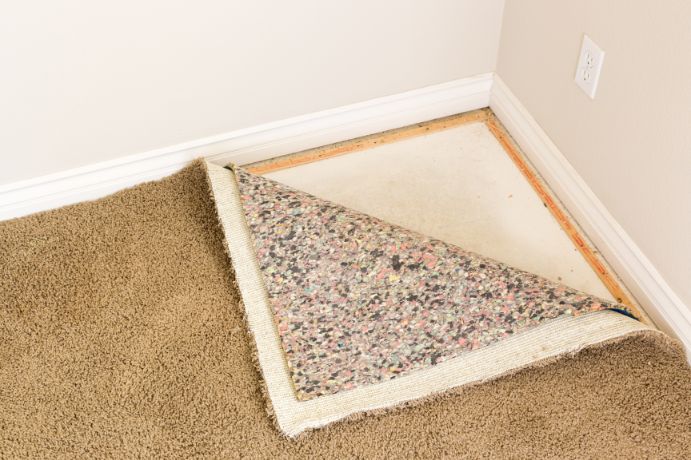
A musty smell after a pipe leak, an appliance overflow, or an over-wet cleaning is a reason to check more than the visible carpet. Mold grows where moisture persists, including in carpet backing and padding. Stop the leak or spill first. Then work out where the water traveled and whether the carpet, padding, and floor beneath are drying.
Houston's humid conditions can make drying harder, especially where air circulation is poor. A dehumidifier and fans can help with a small, clean-water spill; a wet vacuum can remove excess water before drying. Do not treat a dry-feeling carpet surface as proof that the layers underneath are dry.
Choose cleaning or replacement based on what got wet
For a small area noticed promptly, cleaning may be reasonable if the moisture source is fixed and the carpet and underlying materials can be dried thoroughly. Extensive visible growth, repeated musty odors, wet padding, or carpet left wet after flooding calls for a broader assessment. Cleaning the fibers alone will not resolve moisture trapped beneath them. Wet or heavily affected carpet and padding may need to be replaced.
If you are comparing do-it-yourself advice from online discussions, start with three facts about your own room: how the carpet got wet, how long it stayed wet, and whether the padding is affected. Those details matter more than whether a spot looks green or black. Do not pull up a large area of suspect carpet or vigorously scrub widespread growth, which may disturb material you are trying to contain.
Clean a limited area without adding a new moisture problem
For a minor, localized concern, our general cleaning guidance is to dry the area first, then use a vacuum with a HEPA filter on dry carpet. Choose a carpet-compatible cleaning product, follow its label and safety directions, and test it in an inconspicuous spot. If the product calls for agitation, use a soft-bristled brush gently. Remove residue as directed and dry the carpet completely with airflow or a dehumidifier.
Vinegar, baking soda, and hydrogen peroxide are often suggested as natural options, but none is a reliable fix for mold embedded in wet padding. Peroxide can affect carpet color, and adding liquid can worsen a drying problem. Do not mix cleaning products. If an area is extensive, returns after cleaning, or follows substantial water damage, skip repeated spot treatments and address the affected materials and moisture source.
Keep moisture from bringing mold back
- Clean up spills promptly and check whether water reached the padding or floor.
- Use ventilation and, where needed, a dehumidifier to manage indoor humidity. We recommend aiming for 40% to 60% indoor humidity.
- Vacuum weekly to remove dust and debris, while remembering that vacuuming does not dry wet padding.
- After any carpet cleaning, allow enough airflow for the carpet to dry thoroughly before returning furniture or rugs to the area.
If the odor or discoloration returns, look again for a leak, condensation, high indoor humidity, or moisture below the carpet. Another surface cleaning will have limited value while the source of dampness remains.
Match the work to the affected area
The size of the affected area, the length of time it was wet, whether padding or flooring is involved, and whether materials need replacement all affect the scope and potential cost of resolving a carpet problem. A small, promptly dried spill is different from a room affected by standing water. Carpet cleaning should not be treated as a substitute for addressing extensive water damage.
We provide carpet cleaning, mold and stain removal, and carpet protection in Houston. If the issue is extensive or keeps returning, contact UpFront Home Services to discuss your carpet cleaning needs. The first decision is whether cleaning can address the affected carpet or whether wet underlying materials need attention as well.
Why Do Carpets Get Moldy?
Why do carpets start growing the stuff in the first place? Well, mold is a type of fungus that thrives in moist environments, and carpets are the perfect place to do so. You might not realize it, but the soft fibers of your carpet are a welcoming mat for mold spores when they’re exposed to moisture. Some other factors that can lead to mold growing in your carpets are:
- High Humidity. While Texas isn’t the most humid state in the US, it still has a humidity level of 64.9%. Too much moisture in your home can create the perfect breeding ground for mold, especially if the air isn’t circulating properly.
- Occasional Spills or Leaks. Leaks from roofs, pipes, appliances, or even the occasional spilled drink can quickly saturate your carpets. And if this liquid isn’t dried out quickly and thoroughly, it can create the perfect environment for mold to flourish.
- Overwetting during Cleaning. Sometimes, well-meaning attempts to clean your carpets can lead to mold growth. Getting your carpets sopping wet to wash them and not letting them dry out properly can cause them to get moldy.
- Poor Ventilation. You need to open up your windows occasionally to let the sun in and get that fresh air circulating. Otherwise, you’re trapping moisture inside the house and creating stagnant air, which are conditions in which mold grows best.
Step-by-Step Mold Removal Process
Before we jump in, let’s talk about why it’s necessary to tackle mold in your carpets. Mold doesn’t just look bad. It can also affect your health. Breathing in the tiny spores can trigger an allergy attack, worsen your respiratory conditions, or contribute to chronic health issues. So, when you spot a telltale discoloration or detect a musty odor, it’s time to roll up your sleeves and get to cleaning.
Step 1: Dry Out the Affected Area
Your first move is to dry out the area where mold has started growing and prevent it from spreading further. You can use dehumidifiers and fans to circulate air and reduce the humidity level in your house. If you’re dealing with a wet mess, a wet vacuum can be your best friend to remove any excess moisture.
Step 2: Vacuum the Affected Carpet
Once the area is as dry as a bone, it’s time to vacuum the carpet that was taken over by mold. This helps you to pick up those loose mold spores that are just waiting to settle down and start a new colony. Ideally, you want to use a vacuum with a HEPA filter, as they’re designed to trap even the most minuscule particles, ensuring they don’t get blown back into the room.
Step 3: Apply A Cleaning Solution
Next up, you have a choice between natural solutions and commercial mold removers. Those who prefer more holistic cleaning methods swear by the mix of vinegar, baking soda, or hydrogen peroxide for its mold-killing properties.
If you’re going the commercial route, pick a product specifically designed to kill mold and follow the safety instructions in the letter. Harsh chemicals can be effective, but they can also be dangerous if you don’t use them improperly.
Step 4: Give the Moldy Areas A Good Scrub
After you apply your anti-mold cleaning product, it’s time to get on your knees and scrub. You’ll want to do this carefully to avoid damaging your carpet fibers. Use a brush with soft bristles and work in gentle, circular motions. You want to get the cleaning solution deep into the carpet where the mold is living without fraying or pulling the fibers out of shape.
Step 5: Rinse and Dry the Carpet
You can’t just leave the cleaning solution on the carpet. You must rinse it thoroughly. Use warm water and a sponge or cloth to remove any residue. After that, you have to get the carpet completely dry. You can open the windows and use fans or a dehumidifier to quicken the process. If any moisture is left behind, you’re just setting the stage for mold to return, and all your hard work will have been for nothing.