
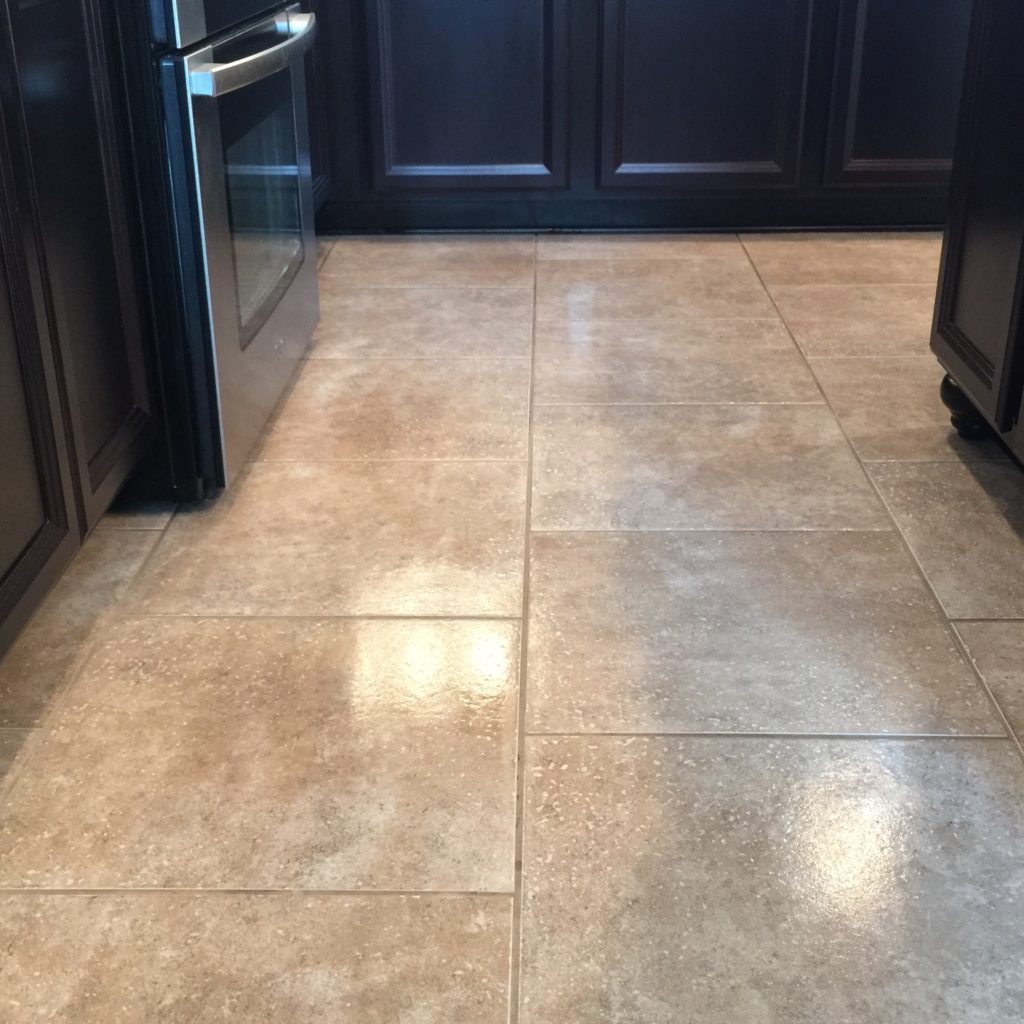


The difference between DIY and professional cleaning
A toothbrush or grout brush can help with a small patch of surface dirt. Cleaning an entire floor is a different job: narrow grout lines take time, and repeated hand scrubbing may leave embedded buildup behind. Professional cleaning may be worth considering when ordinary mopping and careful spot cleaning no longer change how the grout looks.
We use high-powered equipment for tile and grout cleaning and include grout sealing at no charge. That gives you a practical comparison with DIY: consider the size of the area, the time you would spend cleaning it by hand, and whether the problem is dirt that cleaning can remove rather than grout that needs repair.
Our cleaning methods and surface considerations
Our professional-cleaning approach uses equipment described at 1200 psi and 220 degrees for steam cleaning, along with alkaline and acidic cleaning chemicals. Those figures describe the equipment, not a setting to apply to every tile. Tile material, grout condition and existing finishes matter when choosing a cleaning method. Acidic products, for example, can harm some natural stone and cement-based grout.
Cleaning can lift soil and buildup, but it cannot rebuild missing grout or reverse wear to a tile finish. A dark line may also be a stain or persistent discoloration rather than loose dirt. Those distinctions matter more to the expected result than the strength of a cleaner alone.
Cleaning between professional visits
For routine floor care, remove loose grit first, then use a cleaner labeled for your tile and grout material, following its dilution and rinse directions. A material-compatible, pH-neutral cleaner is a sensible starting point for many routine jobs; there is no single best deep-cleaning product for every tile floor. Test a small, inconspicuous area before treating a larger one.
If you want to clean floor grout without extensive scrubbing, give a compatible cleaner the contact time on its label and wipe or rinse it away. This can loosen surface soil, but a no-scrub method, including one shown in a video, may not remove buildup lodged in grout. A soft nylon grout brush can help with a small stubborn area; avoid metal tools and aggressive pressure on loose or crumbling joints.
For a homemade approach, water and a soft cloth are a low-complexity first step. Baking soda is sometimes used on bathroom stains, but its gritty texture can scratch some finishes, and a paste is not a universal grout cleaner. Test before use and avoid treating natural stone with vinegar or other acidic DIY mixtures. Never mix cleaning chemicals.
What affects your estimate and results
The size of the tiled area, the number and condition of grout lines, the amount of buildup, and the scope of cleaning all matter when considering a job. A lightly soiled floor is different from a bathroom with persistent residue or grout that is worn away. We provide a free estimate so you can compare professional cleaning with the time and supplies a DIY attempt would require.
Results also depend on what caused the discoloration. Tracked-in soil at an entry, residue in a wet bathroom and heavily used kitchen grout can call for different attention. If grout is missing or the tile surface is worn, cleaning alone will not restore the damaged material.
Grout sealing and care after cleaning
We include grout sealing with our tile and grout cleaning at no charge. Sealing can help reduce how readily grout absorbs spills, but it does not make grout stain-proof or eliminate regular cleaning. Its useful life depends on wear, moisture and cleaning products, so there is no single replacement interval for every floor.
After cleaning and sealing, allow the surface to dry and follow the applicable sealer's return-to-use guidance before heavy traffic or washing. The time needed can vary with the area, conditions and sealing product.
Tile and grout cleaning in Houston and Katy
We serve homeowners in Houston and Katy. To get a free estimate and check availability, call or text us at (832) 303-3546. The area you want cleaned and whether the main concern is floor soil, bathroom residue or worn grout are useful details to have ready. You can also visit UpFront Home Services for more about us.