


Our room-by-room cleaning schedule
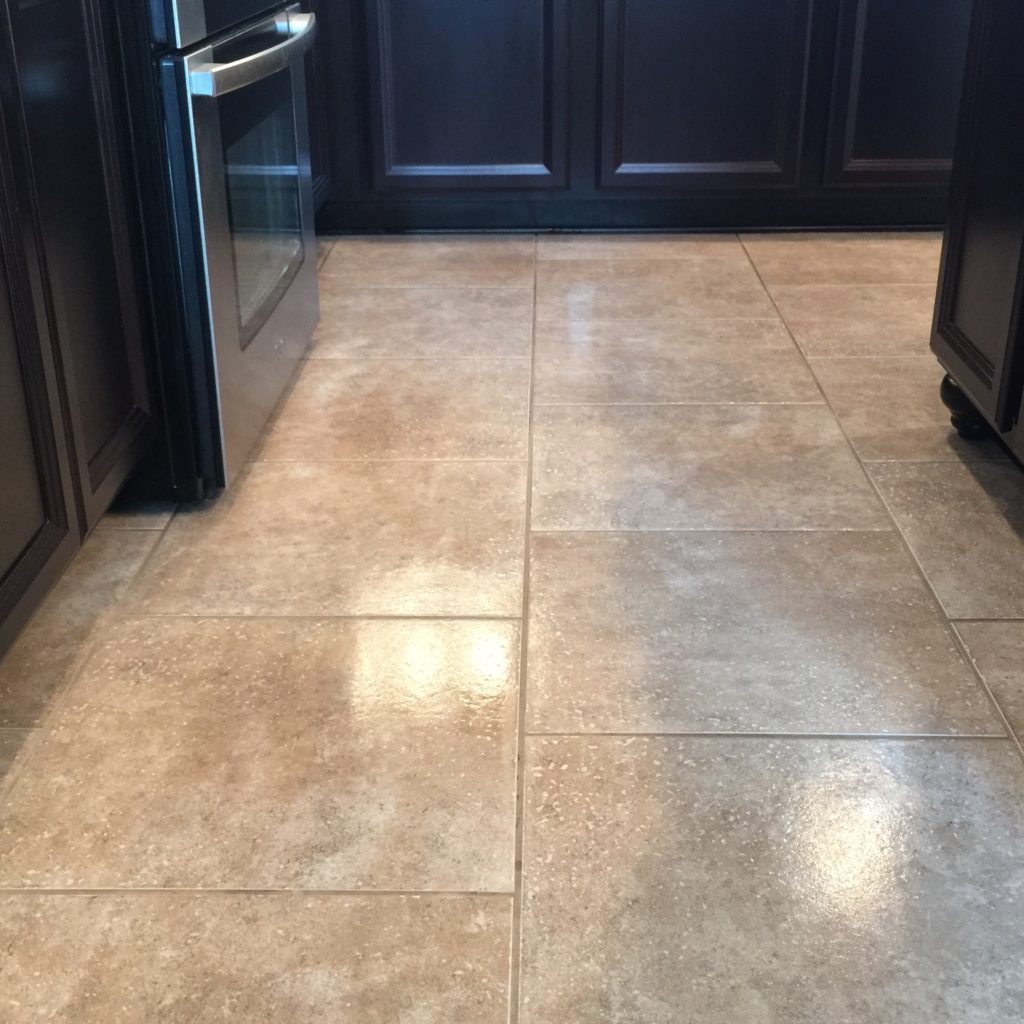
We recommend professional tile and grout cleaning about once a year for kitchens, bathroom floors and the inside of showers. Kitchens collect grease and tracked-in dirt, and frequent mopping can leave residue if the products or tools are a poor fit. Shower surfaces face repeated moisture and use. High-traffic or heavily used areas may also benefit from an annual visit.
Entryways and tiled living areas often need professional cleaning every couple of years, or sooner if their use calls for it. A practical starting point is to include them with every other cleaning of your more heavily used areas. These are professional cleaning intervals, not a reason to leave spills, grit or shower moisture in place between visits.
What changes your cleaning schedule
Use the condition of the grout as well as the calendar. Darkening that remains after routine cleaning, a sticky or dull film after mopping, and dirt that quickly returns to grout lines are reasons to consider cleaning sooner. A busy entryway may need attention before a lightly used bathroom floor, even if both were last cleaned on the same day.
Tile material, grout type and grout condition also affect your care choices. Some stone and grout surfaces are more sensitive to cleaners than glazed tile. A textured floor can hold soil where a smooth floor releases it more readily. In a Houston shower, humid conditions and surfaces that stay wet can make drying and ventilation especially important. Cleaning removes soil, but controlling moisture is also part of managing mildew.
How our cleaning and sealing service works
We provide free in-home estimates to review your floor-care needs. Our tile and grout cleaning service uses a nine-step process and includes grout sealant at no extra charge. We recommend a good impregnating sealant to help grout stay cleaner longer and make ongoing care easier.
Cleaning and sealing do different jobs: cleaning addresses soil already on the surface, while sealant helps limit how readily suitable grout absorbs new spills. Sealant does not replace regular cleaning or make grout waterproof. Its condition, the grout and the amount of use matter more than a fixed resealing date. Our annual kitchen and bathroom guidance is a professional cleaning recommendation, not a universal resealing schedule.
What affects an estimate and the result
The amount of tile you want cleaned, the number of rooms, the level of built-up soil and the condition of the grout are useful details for an in-home estimate. A kitchen floor with a mopping film presents a different cleaning problem from a shower with persistent moisture or grout that is breaking apart. Our free in-home estimate lets us review those needs before the work.
Expect the finished appearance to depend in part on what caused the discoloration. Surface soil may respond to cleaning, but missing grout, damaged joints or a moisture problem need a different remedy. Sealant helps with future care; it does not rebuild a worn joint or correct a leak.
How we help you maintain tile between cleanings
Care for kitchen and living-area floors
- Remove loose grit before mopping so it does not get dragged across tile and grout.
- Use a cleaner compatible with your tile and grout, following its dilution and rinsing directions.
- Change dirty mop water and let the floor dry. If a film remains, review the product and tool you use before adding more cleaner.
Too much detergent, dirty mop water and tools that spread rather than lift soil can leave residue that attracts more dirt. For natural stone, choose products labeled for that material rather than applying an acidic cleaner meant for another surface.
Care for showers and bathroom tile
After use, move standing water toward the drain and dry surfaces where water tends to linger. Keep ventilation running long enough for the room to dry. For routine cleaning, use a product compatible with the tile and grout, allow the label-directed contact time, then rinse and dry. A soft brush can help with grout lines when wiping alone does not lift soil. On a shower floor, pay attention to corners and textured tile where residue collects.
When cleaning is not the right fix
Grout that is intact but stained may be a cleaning candidate. Grout that is missing, crumbling or separating from the tile needs attention beyond cleaning; regrouting is based on its condition, not a set number of years. If discoloration returns quickly or an area stays wet, address the moisture source as well as the visible mark. Keeping a shower dry between uses can help you tell routine soil from a persistent problem.
For a free in-home estimate of your tile and grout cleaning needs, call or text us at (832) 303-3546.