


The best time to clean is after dusty work and before furniture
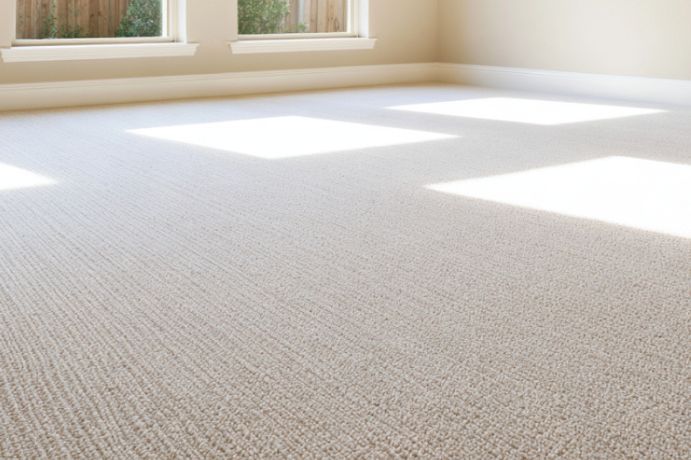
Once you have the keys, an empty home gives us access to carpet that beds, sofas and boxes would otherwise cover. That includes traffic lanes, room edges and carpeted stairs. Arrange the final carpet cleaning after sanding, drywall work, painting preparation and other dusty jobs are finished, but before the moving truck arrives. Leave room in your schedule for the carpet to dry before you place furniture or area rugs on it.
- Finish repairs and renovation work that will create dust or heavy foot traffic.
- Remove loose construction debris and clean cabinets, shelves and other upper surfaces so dust does not immediately settle back onto the floor.
- Walk through the empty rooms and note stains, pet odors, ripples, tears and worn areas.
- Vacuum loose dry soil, then have the carpet cleaned while the rooms are clear.
- Allow the carpet to dry before movers bring in furniture and boxes.
For a broader move-in clean, include bathrooms, the kitchen, closets, baseboards and hard floors. The exact order of hard-floor and carpet work depends on which tasks will send dirt across the other surface. Keep the final work on each floor as close to move-in as practical.
What an empty room can reveal
Carpet can look clean from standing height while holding fine soil between its fibers. Dark colors and patterns can make buildup harder to see. Once the previous occupants remove furniture, check for dust lines, hair near baseboards, spills that were under a bed and darker paths through hallways or living rooms. Vacuuming removes loose dry material; deeper cleaning addresses a different kind of soil and residue attached to the fibers.
Note where odors seem strongest, especially around old pet stains. Urine can pass through carpet into its backing or padding, where cleaning the surface alone may not resolve the smell. An odor that persists after carpet cleaning may also come from another part of the home, including walls, cabinets or the HVAC system. We want you to have a realistic starting point, not mistake a temporarily less noticeable smell for a resolved source.
Cleaning, repair and replacement solve different problems
Before deciding to replace carpet, separate dirt from damage. A dark traffic lane may improve when soil is removed, but flattened or worn fibers can still reflect light differently. Sun fading, missing fibers, burns and permanent discoloration will not be reversed by cleaning. Ripples, pulled seams and tears call for repair rather than another cleaning pass. Empty rooms make these differences easier to inspect before furniture limits access.
If the carpet is intact but dirty, cleaning can help you evaluate its condition before committing to replacement. If there is extensive damage, persistent contamination beneath the carpet or wear you cannot accept, cleaning alone is unlikely to meet your goal. Give particular attention to repeated pet-accident areas: the visible spot may be smaller than the affected material underneath.
New carpet and recently renovated rooms
A newly built or renovated home can still have carpet soil. Drywall dust, sawdust and outdoor dirt may arrive with contractors, installers and inspections. Finish the dusty work and remove loose debris before a final carpet cleaning so fresh particles do not immediately settle into the fibers again.
Newly installed carpet raises a different decision. Vacuum loose construction dust and follow the carpet manufacturer's care guidance before arranging wet cleaning. A new-carpet smell is not necessarily caused by removable dirt, so cleaning is not a reliable way to stop off-gassing. If the odor concerns you, review the product guidance and ventilate the space when conditions allow.
What affects drying and the moving schedule
Drying time depends on the cleaning method, how much moisture remains, carpet construction, airflow and indoor humidity. Houston-area humidity can slow evaporation, particularly when indoor air is also damp. Air conditioning and suitable air movement may help. A carpet that feels dry in one area may still be damp elsewhere, so check it before covering it with boxes, heavy furniture or an area rug.
Plan around the drying guidance for the cleaning method used rather than counting on a fixed number of days or hours. If movers must use a carpeted route before it is dry, discuss suitable pathway protection with the cleaning provider once. Avoid leaving moisture trapped beneath plastic or an area rug; when possible, delay placing heavy items and use a route that keeps repeated foot traffic off the cleaned carpet.
What affects cost and how to compare choices
When comparing cleaning options, start with the work your home needs: the carpeted rooms and stairs, their size, access around furniture, heavily soiled traffic lanes, and any stains or odors needing closer assessment. Those details can change the scope of a job. Compare what each quote includes, how stains and odors are evaluated, how furniture affects access and what drying guidance you will receive. A lower quote covering fewer areas is not the same job.
A Rug Doctor or other carpet cleaner rental, including one rented through Home Depot, may suit a manageable area when you can do the work and allow it to dry. Account for machine pickup and return, preparation, cleaning and drying in that comparison. Be careful not to overapply cleaning product or leave residue behind. Professional cleaning is worth considering when you want the empty home addressed before movers arrive or have embedded soil and odor concerns. Online deep-cleaning accounts, including Reddit discussions, can provide ideas, but they cannot establish what is in your carpet or padding.
To make a plan for your empty home's carpet, connect with UpFront Home Services before furniture limits access.
You Do Not Know the Carpet’s Full History
When you move into a previously occupied home, you may know very little about how the carpet was used or maintained. The previous residents may have had pets, children, frequent guests, or a completely different cleaning routine than yours.
There may also have been spills or pet accidents that are no longer obvious during a walkthrough. Some odors become more noticeable only after the home is closed up, the temperature changes, or humidity rises. Professional carpet cleaning before moving in gives you an opportunity to address unknown buildup rather than assuming the floor is clean based on appearance alone.
Previous Owners May Have Had Pets
Even if no pets are present when you tour the home, carpet can still contain hair, dander, body oils, and other pet-related residue from animals that previously lived there. Some hair may remain visible along baseboards or in corners, while finer material can settle deeper into the carpet.
Pet odors can also linger after the animal is gone. If urine reached the carpet backing or padding, surface vacuuming may not completely address the problem. Let the carpet cleaning technician know if you notice pet odors or visible staining, so they can check those spots more closely and recommend the right treatment.
Pet Urine Can Be Hidden Below the Surface
A pet accident does not necessarily remain within the visible carpet fibers. Liquid can travel through the surface and into the carpet backing or padding underneath. Once the carpet dries, the visible evidence may become difficult to see even though contamination remains below.
This is one reason a home may develop a noticeable pet odor after you move in despite appearing clean during the purchase process. Professional cleaning can help address pet-related contamination, although severe or repeated urine exposure may require specialized treatment beyond ordinary carpet cleaning.
Moving Furniture Can Reveal Hidden Dirt
Furniture protects some areas of carpet from normal foot traffic while concealing debris in others. When the previous occupants remove beds, sofas, tables, and dressers, you may suddenly see dust lines, pet hair, spots, or differences in carpet color that were hidden during showings.
An empty home provides the best access to these areas. Professional cleaners can work across the entire room instead of navigating around large pieces of furniture and trying to reach narrow sections along walls.
Cleaning Before Moving In Is Much Easier
Once furniture arrives, carpet cleaning becomes more complicated. Beds, sofas, dressers, desks, and boxes cover large portions of the floor. Some items may need to be moved, while others may be too heavy or impractical to relocate.
Scheduling carpet cleaning before the movers arrive eliminates much of that problem. Technicians can move efficiently through empty rooms, and you do not have to spend time preparing furniture or clearing belongings from the floor.
An Empty House Gives Better Access to Carpet Edges
Dust, pet hair, and debris often collect along baseboards and room edges where standard vacuum heads may not reach effectively. Furniture can make those areas even more difficult to access during ordinary cleaning.
When the rooms are empty, carpet edges and corners are fully exposed. This provides an opportunity for more complete vacuuming and cleaning before those spaces are covered again by your belongings.
You Can Address Stains Before Furniture Covers Them
A stain that seems minor in an empty bedroom can easily disappear underneath a bed or dresser after you move in. Once furniture is in place, you may forget about the spot until the room is rearranged years later.
Cleaning before move-in allows stains to be identified and treated while they are fully accessible. The technician can also explain whether a discoloration appears to be removable soil, a permanent stain, or physical wear in the carpet fibers.
Old Cleaning Residue May Still Be in the Carpet
Previous occupants may have used rental machines, household carpet shampoos, spot sprays, powders, or other cleaning products. If those products were overapplied or not adequately removed, residue can remain within the carpet.
Cleaning residue can sometimes leave carpet feeling sticky or attract new soil. Professional cleaning may help remove old buildup and provide a cleaner starting point for your own maintenance routine.
Professional Cleaning Can Help With Lingering Odors
Homes can develop odors from pets, spills, food, smoke, and everyday occupancy. Carpet and other soft materials can absorb some of those odors over time, making them more noticeable once the previous owner’s furniture and fragrances are gone.
Professional carpet cleaning can help when the odor source is removable contamination within the carpet. However, not every household odor originates from flooring. Walls, HVAC systems, cabinets, upholstery, and other materials may also contribute, so persistent odors should be evaluated rather than assuming carpet is always responsible.
Carpet Cleaning Is Helpful After a Home Has Been Vacant
A home that has been empty for several weeks or months can still accumulate dust. Fine particles enter through normal air movement and settle onto floors even when nobody is living in the property.
Depending on the circumstances, vacant homes may also experience pest activity, construction work, showings, or maintenance visits that introduce additional debris. Cleaning the carpet shortly before move-in removes this recent buildup as well as older soil left behind from previous occupancy.
Inspect the Carpet Before Cleaning
Walk through each carpeted room before your cleaning appointment and note stains, pet odors, damaged areas, and sections that appear particularly dirty. This gives you an opportunity to point out concerns to the technician before cleaning begins.
If you know anything about the home’s previous occupants or carpet history, share that information as well. Known pet areas, water damage, previous repairs, or recent renovations can all be useful context.
Do Not Assume the Seller’s Cleaning Is Enough
A seller may have had the home cleaned before closing, but you may not know exactly what services were performed. General housekeeping may include vacuuming without professional carpet cleaning, while another seller may have cleaned only the most visible areas.
If starting with professionally cleaned carpet is important to you, arranging the service yourself removes that uncertainty. You can choose the company and discuss your specific concerns directly with the technician.
It Is Easier to Build a Maintenance Routine From a Clean Start
After move-in carpet cleaning, regular vacuuming and prompt spot care can help maintain the results. Entry mats, a shoes-off routine, pet grooming, and quick cleanup of spills can all reduce the amount of new contamination reaching the flooring.
Starting with clean carpet does not eliminate future maintenance, but it makes it easier to focus on your own household’s activity rather than trying to manage buildup inherited from someone else.
Families With Children May Especially Appreciate a Fresh Start
Young children spend considerably more time in direct contact with carpet than adults do. Babies may crawl across it, while older children sit and play on the floor for long periods.
For families moving into a previously occupied home, cleaning the carpet before children begin playing throughout the rooms can provide extra peace of mind about the condition of the flooring.
Pet Owners Can Establish Their Own Cleaning Routine
If you are bringing pets into the new home, cleaning existing carpet first lets you begin with a known baseline. Any future pet odors or accidents can then be addressed as they occur rather than wondering whether they were left behind by a previous animal.
This can be particularly helpful when introducing a dog or cat to a home where other pets previously lived. Existing pet odors may be detectable to animals even when they are not immediately obvious to people.
Carpet Cleaning Can Complement Air Duct Cleaning After Renovation
If the property recently underwent significant remodeling, fine construction dust may have settled across multiple surfaces. Carpet is one place that debris can accumulate, while HVAC filters and accessible components may also have been exposed depending on how the work was performed.
Different services address different parts of the home, so carpet cleaning should not be treated as a substitute for HVAC maintenance or duct evaluation. However, move-in provides a convenient opportunity to think about the overall cleanliness of the house before occupancy begins.
How Often Should Carpet Be Cleaned After You Move In?
Once you have moved into the home, future cleaning frequency depends on how the carpet is used. Pets, children, shoes, household size, traffic levels, and routine vacuuming all influence how quickly soil accumulates.
Instead of relying on one schedule for every household, monitor the carpet. Visible traffic lanes, recurring spots, persistent odors, and carpet that no longer looks refreshed after vacuuming can all indicate that deeper cleaning may be appropriate.