
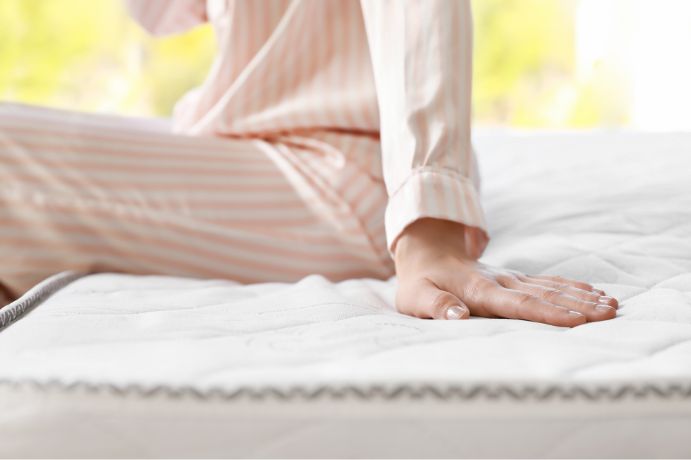


A cleaning routine that fits your mattress
We recommend cleaning your mattress every six months and dealing with spills as soon as they happen. Sweat, skin oils and everyday dust collect even when the surface looks clean. Strip the bed, wash removable bedding according to its care labels, and vacuum the mattress with an upholstery attachment. Pay particular attention to seams and crevices, where debris can gather.
If pets share your bed or dust and dander are a concern, check the surface and vacuum more often rather than waiting for the next six-month clean. A washable mattress protector can also help keep future spills off the mattress. Clean a fresh spill promptly, even if your routine clean is weeks away.
Mattress cleaning instructions for regular upkeep
Start with the mattress care label and the manufacturer's instructions. They take priority over a general cleaning recipe, particularly for foam or other materials that may be sensitive to moisture or heat. If a removable cover can be washed, follow its separate label rather than assuming the mattress beneath it can be washed the same way.
- Remove sheets, pillowcases and any removable cover. Wash each item as its label permits.
- Vacuum the exposed surface and sides with an upholstery attachment, including the seams.
- Blot any fresh spill with a clean, dry cloth. Use a small amount of a care-label-compatible cleaning solution on a cloth for stains, and blot rather than scrub.
- If the mattress permits it, sprinkle baking soda on the surface to help with odors. Leave it for a few hours, then vacuum it up thoroughly.
- Let every treated area dry completely before replacing bedding or sleeping on the mattress.
A mild dish-soap solution may be useful for a permitted spot treatment, but more liquid is not a deeper clean. Test any solution in an inconspicuous area first. Avoid soaking the surface or combining cleaning products, and stop if the fabric changes color or texture.
Stain treatment depends on what spilled
For urine, blot up as much liquid as possible without pushing it farther into the mattress. The source cleaning method uses equal parts cold water and white vinegar, applied sparingly and blotted, followed by baking soda on the damp spot. Use that approach only if the mattress care instructions permit those ingredients. Vacuum up the baking soda once the spot is dry.
For blood, begin with cold water rather than warm water. Blot with a small amount of mild detergent or a protein-stain enzyme cleaner if the mattress material allows it. Hydrogen peroxide can discolor fabric, so test a small hidden area before considering it for a persistent mark. For sweat, first vacuum and try a small, permitted mild-soap spot treatment. For vomit, lift away solids without rubbing them in, then blot the remaining moisture and treat the area according to the care label. Persistent odor or a stain that has penetrated deeply may need more than surface spot cleaning.
Drying, steam and the limits of household products
Drying time changes with how much liquid was used, the mattress material and airflow. Run a fan and check the treated area, including the fabric beneath the surface where you can assess it, before making the bed. In Katy's humid weather, an open window may bring in moist air; indoor airflow can be more helpful. If a spot still feels damp or smells musty, leave the bedding off and continue drying it.
A steam cleaner adds heat and moisture. Use one only if the mattress manufacturer's instructions allow it, and avoid saturating the mattress. Baking soda may help absorb odors, while vinegar may help with some stains. Neither step, on its own, verifies that a mattress has been sanitized or disinfected. Likewise, removing visible marks does not establish that allergens or microorganisms have been eliminated.
Choosing professional mattress cleaning in Katy
We offer professional mattress cleaning in Katy, Texas, and you can contact UpFront Home Services for a free quote. Professional help may be worth considering when a stain or odor remains after careful surface cleaning, or when you do not want to risk using a liquid or heat-based method on the material.
To prepare, remove bedding, locate the mattress care label and note its size, material if known, and which sides have stains. Describe whether a spill is fresh or dried and whether odor remains. Those details help make a quote and a discussion of suitable cleaning more useful. The scope of work should match the mattress and the result you want, whether that is general cleaning or attention to a particular stain. Do not treat a cleaning quote as proof of sanitization; that is a separate claim requiring a clearly defined method.
When comparing mattress-cleaning reviews, look for first-hand details about the material, the problem treated, drying and the result, rather than relying on a star rating alone. For do-it-yourself instructions, favor your mattress maker's guidance over a general recipe if the two differ.
When to Clean Your Mattress
For optimal maintenance, we advise cleaning your mattress every six months. Routine cleaning helps manage dust, allergens, and any unseen dirt, ensuring your mattress remains a hygienic place for rest. In the case of unexpected spills or stains, immediate action is recommended to prevent the spill from setting into the mattress fibers.
Addressing spills and stains right away minimizes the risk of permanent damage and helps maintain the cleanliness and longevity of your mattress. Regular attention to these cleaning practices contributes significantly to a healthy sleeping environment and the overall durability of your mattress.
If you pay close attention to all this, you can ensure a clean and healthy sleeping environment, contributing to better sleep quality and overall well-being.
- Visible Stains: If you notice spots or discolorations from spills, sweat, or other bodily fluids, it’s a clear sign your mattress requires cleaning.
- Unpleasant Odors: A musty or stale smell emanating from your mattress indicates the presence of moisture, bacteria, or mold, necessitating a thorough cleaning.
- Allergy Symptoms: Experiencing increased allergy symptoms such as sneezing, runny nose, or itchy eyes while in bed suggests the accumulation of dust mites and allergens in your mattress.
- Respiratory Issues: Difficulty breathing or asthma flare-ups at night can be caused by dust mites, pet dander, and other irritants in an unclean mattress.
- After an Illness: If you’ve been sick, cleaning your mattress can help eliminate germs and viruses, preventing reinfection.
Preserve Your Comfort: Comprehensive Mattress Cleaning Preparation
You’ll need several everyday household items and specialized cleaning solutions for an effective mattress-cleaning process. Here’s a concise list to guide you:
- Vacuum Cleaner with Upholstery Attachment: This is essential for removing dust, dirt, and small particles from the mattress surface and sides.
- Use Baking Soda: Baking soda can easily absorb moisture and eliminate odors, so many use it as a natural deodorizer.
- Mild Dish Soap: It can help create gentle cleaning solutions for spot-treating stains.
- Hydrogen Peroxide: Hydrogen Peroxide is a powerful disinfectant that also works well as a stain remover for organic stains such as blood or urine.
- Cold Water: Water is necessary for diluting cleaning solutions and rinsing soap residue.
- Clean Cloths or Sponges: You can use them to apply the cleaning solution in the needed area and blot the stains without further expanding them..
- Spray Bottle: An easy tool for effortless dispersion of the cleaning solutions across your mattress.
- White Vinegar: Offers a natural option for disinfecting and breaking down stains.
- Laundry Detergent: For more robust cleaning solutions or washing any removable mattress covers.