

Matching the treatment to the floor’s condition
We start with the condition of your floor, not a promise that every dull board needs the same treatment. A hazy surface or dirt that remains after routine mopping can point to grime or product residue. Scratches, worn-through finish, dark water marks, and soft or swollen boards point to different problems. Cleaning can remove soil and some surface residue; it cannot replace missing finish or repair damaged wood.
- Cleaning: A sensible first step when dirt, oils, or residue are hiding an otherwise intact finish.
- Polishing: A finish-dependent way to change surface sheen, not a substitute for cleaning or a repair for deep scratches. Repeated applications can create buildup.
- Screen and recoat: A separate finish-renewal process that prepares an existing, compatible finish for another coat. It does not remove deep damage from the wood.
- Refinishing: Sanding and applying a new finish may be the appropriate path when wear or damage extends beyond what cleaning or a compatible recoat can address.
Cloudiness caused by old wax or polish may need product-specific removal rather than another layer of shine product. That work depends on identifying the existing finish and residue first; an incompatible remover or aggressive scrubbing can damage the floor. If you see suspected mold, persistent moisture, cupping, or soft wood, address the moisture problem and obtain an appropriate damage assessment before treating the area as a cleaning job.
How we approach hardwood floor cleaning
We assess visible dullness, spots, scratches, and wear before choosing cleaning products and tools for the floor. That distinction matters: stubborn grime may respond to cleaning, while a scratch through the finish will remain visible after the surrounding dirt is gone. The floor’s finish and condition guide what treatment makes sense, rather than a single product for every room.
Preparation also improves the result. Clear small items so the accessible floor can be cleaned, and identify spots caused by spills or pet accidents. An older stain that has penetrated a damaged finish may remain after surface cleaning. Cleaning can remove accumulated dust and soil, but it should not be treated as a cure for allergies, persistent odors, or indoor moisture problems.
Cleaning without unnecessary moisture or abrasion
For routine care between professional cleanings, remove loose grit with a soft-bristle broom or a vacuum attachment intended for hard floors. Then, if your floor manufacturer permits damp cleaning, use a microfiber cloth or mop that is damp rather than wet. Work in manageable sections, follow the cleaner’s directions, and do not leave standing liquid behind. Wipe spills promptly, especially near board seams.
Grit tracked through an entryway can act like an abrasive under shoes. Wet footwear can leave moisture at seams and under rugs. Mats at entrances, rugs in high-traffic areas, and felt pads beneath furniture legs help limit new wear. Avoid dragging furniture across the boards. These habits protect the existing finish; they do not reverse scratches already in the wood.
Choosing cleaners and shine products by finish
The safest product choice starts with the finish, not the promise on the front of a bottle. A polyurethane-coated floor, a waxed floor, and an oiled floor can have different care instructions. Check your flooring or finish manufacturer’s guidance before applying a cleaner, polish, restorer, or wax. If the finish is uncertain, avoid adding a coating until it is identified.
Bona Hardwood Floor Cleaner, Bona Hardwood Floor Polish, and Rejuvenate Wood Floor Restorer are different types of products, not interchangeable answers to dullness. Read the current label for finish compatibility and application requirements. A cleaner removes soil; a polish or restorer may leave material on the surface. You can often improve the appearance of an intact finish without wax by removing grit and residue and maintaining it according to its care instructions. Vinegar mixtures and oils are not universal natural shine solutions and may be unsuitable for your finish.
What affects the estimate and the result
The size of the area and the treatment the floor needs affect the cost of professional hardwood floor cleaning. When comparing estimates, also describe the number of rooms, stubborn spots, and any suspected polish or wax buildup so the proposed work can be evaluated against the floor’s condition. Cleaning and finish renewal are different scopes of work, so compare what each estimate includes rather than price alone.
Results depend on what is making the floor look dull. Removing grime can reveal the sheen of an intact finish. It will not make bare wood, deep scratches, water-darkened boards, or worn coating look new. Your floor’s condition is the useful starting point for deciding whether cleaning is worth doing before considering more extensive work.
Keeping clean hardwood floors looking their best
Sweep or vacuum regularly, with extra attention to entrances where grit collects. Use a soft hard-floor attachment, wipe up spills promptly, and use only the amount of moisture your floor’s care instructions allow. Put felt pads or gliders beneath furniture and check them for trapped grit. If regular cleaning stops improving a hazy area, pause before applying another polish; buildup may be contributing to the appearance.
Choosing a hardwood floor cleaning company
When comparing nearby providers, look for a clear explanation of how they identify the finish, distinguish residue from finish wear, and handle areas with water damage or suspected mold. Compare independently posted reviews for details about communication and the type of floor work performed, rather than treating a dramatic before-and-after image as a promise for your boards. Clarify the proposed treatment, what it is meant to change, and any drying or access instructions before work begins.
For help deciding whether cleaning suits your hardwood floors, contact UpFront Home Services with a description of the affected areas and the changes you have noticed.
Assessing the Condition of Your Hardwood Floors
Recognizing when your floor requires professional cleaning treatment is essential to maintaining its beauty and longevity. Here are some signs to look out for:
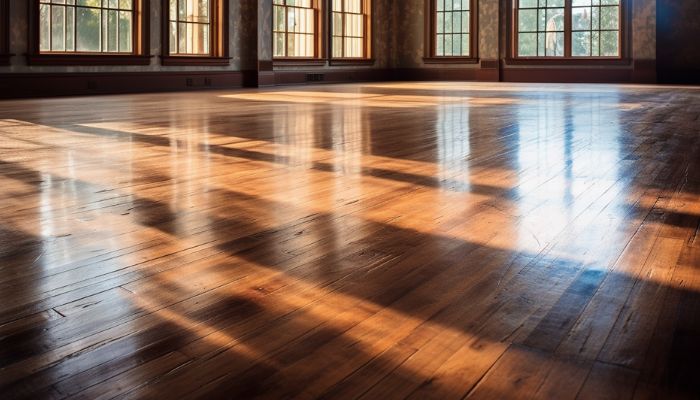
- Dull Appearance: If your hardwood floors have lost their natural shine and luster, even after regular cleaning, it might be time for a professional treatment. Over time, dirt, oils, and residue can build up, causing the surface to appear dull and lackluster.
- Visible Stains and Spots: Stubborn stains, spots, or discoloration that are resistant to regular cleaning methods indicate the need for a deeper, professional cleaning. These stains can be caused by spills, pet accidents, or other substances that have penetrated the wood’s surface.
- Scratches and Wear: Excessive scratching, scuff marks, or signs of wear and tear can diminish the overall appearance of your hardwood floors. Professional cleaning can help address these issues and improve the overall look of the flooring.
- Grime Buildup in Grout Lines: If you have hardwood floors with grout lines or crevices, these areas can accumulate dirt and grime over time. Professional cleaning can effectively clean these hard-to-reach areas, restoring the original beauty of your floors.
- Noticeable Allergens: If you or your family members are experiencing increased allergy symptoms while indoors, it could be due to the presence of allergens trapped within your hardwood floors. Professional cleaning can help remove allergens such as dust, pet dander, and pollen, contributing to a healthier indoor environment.
- Water Damage or Mold: If your hardwood floors have been exposed to water damage or show signs of mold growth, it’s crucial to seek professional assistance. Professional cleaners have the expertise to address these issues properly, preventing further damage to your floors.
- Unpleasant Odors: Lingering odors, such as pet odors or musty smells, can be indicative of trapped contaminants within your hardwood floors. Professional cleaning can help eliminate these odors and improve indoor air quality.
- Regular Maintenance Ineffectiveness: If your regular cleaning routine no longer seems to have the desired effect on the appearance of your hardwood floors, it’s a clear indication that professional cleaning is needed to restore their original beauty.
By being attentive to these signs, you can determine when your hardwood floors are in need of professional cleaning treatment to rejuvenate their appearance and maintain their overall health and quality. Like a wise old oak, your hardwood floors may have weathered the test of time, but with a careful assessment, we can determine the best course of action to restore their former glory.