


How an extended outage changes household odors
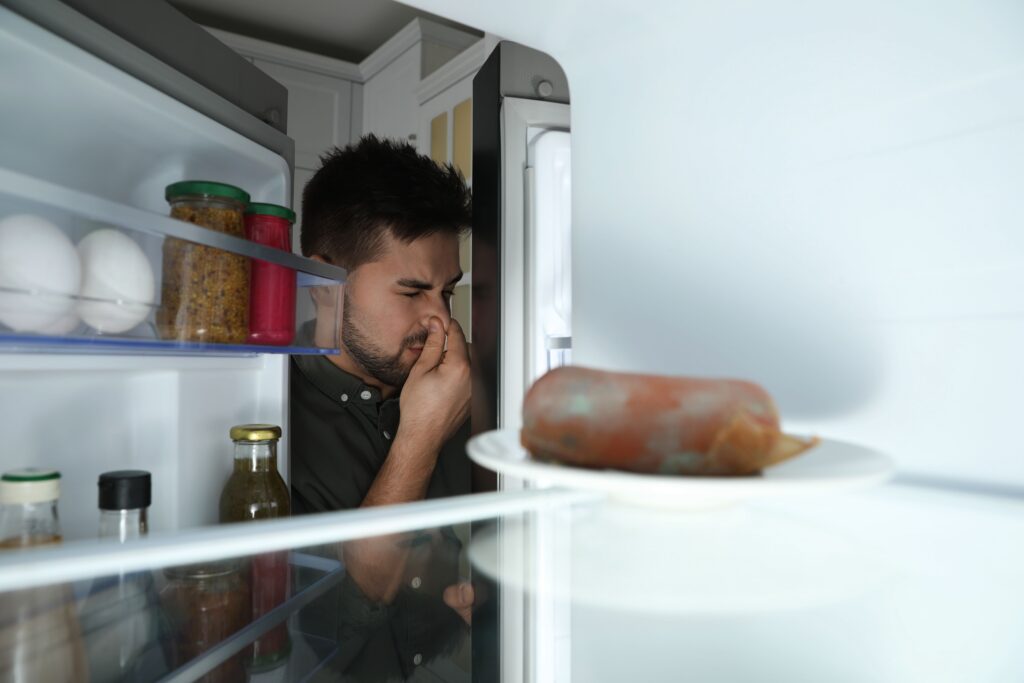
A power outage means electrical service has stopped unexpectedly. Without air conditioning, dehumidification or normal air circulation, cooking, pet and garbage smells may linger. Food can spoil in a warming refrigerator. A stopped sump pump, rain leak or damp rug can introduce a musty smell that needs a different response.
Whether an outage happened today or you are revisiting an odor problem from 2021, its duration is only one clue. Warm, humid weather can keep soft materials damp; heavy rain can add water where a pump has stopped. In cold weather, closed windows can let everyday smells accumulate. Follow the smell to its strongest location before cleaning unrelated rooms.
What to do while the power is off
Check for immediate hazards before investigating an odor. If you suspect a gas leak, leave the area and contact your gas utility or emergency services. Stay away from standing water near electrical equipment. Avoid direct contact with water that may contain sewage.
Use flashlights at night so you can move through the home safely. Keep refrigerator and freezer doors closed, and disconnect sensitive electronics if you can do so safely.
Check for visible leaks or standing water, especially if rain accompanied the outage or a sump pump stopped. Remove garbage regularly. A battery-operated fan can move air, but it will not dry soaked carpet or walls.
Carbon monoxide has no smell. If you use a generator, follow its instructions and operate it outdoors, at least 20 feet from windows, doors and attached garages. Do not use a gas stove or oven to heat your home. Open windows only when outdoor air, weather and generator placement make ventilation safe.
How to clean up after power returns
Start with food safety. An unopened refrigerator keeps food cold for about four hours; a full freezer holds its temperature for about 48 hours. Use a thermometer when possible. Discard perishable food held at 40°F or higher for two hours or more, rather than tasting it or relying on its smell. See Ready.gov’s power outage guidance for additional safety guidance.
Remove food waste from the home. Empty the refrigerator, wash removable shelves and drawers, and wipe interior surfaces, door seals and places where spills may collect. Let the cleaned surfaces dry, then check for remaining spills if the odor returns.
Locate and address water before treating a musty smell. Check near a stopped sump pump, beneath removable rugs, under sinks and beside exterior leaks. Once it is safe, remove standing water and dry affected areas. Wet carpet padding or material beside a wall may need more attention than the visible surface.
Recheck where the odor is strongest. At a rarely used sink or shower, running water into the drain may restore a plumbing trap’s water seal. A continuing sewer-like smell needs further investigation. An outage alone is not a reason to clean every rug or air duct.
Ventilation and dehumidification can support drying once power returns, but neither stops an active leak. If absorbent materials remain damp or a musty smell comes back, focus on the moisture source and the affected materials rather than masking the odor.
What affects cleanup scope and cost
A refrigerator that needs emptying and cleaning presents a different job from a wet carpet with damp padding beneath it. The affected area, material type, amount of moisture and access to the source all influence how much investigation and cleanup may be needed. A localized odor offers a useful starting point; standing water, recurring dampness or a smell that persists after drying calls for a closer look. For more home care guidance, visit the UpFront Home Services home page.
How we recommend preparing for a longer outage
Keep flashlights, batteries and a charged portable power bank where everyone can find them in the dark.
Plan for refrigerated food with a refrigerator thermometer, coolers and ice packs. Keep nonperishable food and water available.
List electricity-dependent medical devices and refrigerated medicines, and make a backup plan with the appropriate medical provider.
Know where to check for storm leaks and standing water. Keep a household checklist on paper as well as on your phone, with supply locations and important contacts.
For a printable guide to a long-term or catastrophic outage, Ready.gov provides power outage guidance and a downloadable information sheet. A printed PDF is most useful when your household has also added its own contacts, medical needs and supply locations.
The Role of HVAC Systems
The HVAC (Heating, Ventilation, and Air Conditioning) system is a crucial component in maintaining indoor air quality. It continuously circulates air, filters out particulates, and regulates temperature and humidity. During a power outage, these systems cease to function, leading to a stagnation of air within the home. This lack of air movement can cause a buildup of odors from various sources.
Humidity and Mold Growth
Without power, dehumidifiers and air conditioning units stop working, leading to increased humidity levels, especially in warmer climates or during summer months. High humidity creates an ideal environment for mold and mildew to grow. These fungi can develop within walls, carpets, rugs, and even in the air ducts. Mold and mildew release musty, unpleasant odors and can also contribute to respiratory problems and allergies.
Food Spoilage
One of the most immediate concerns during a power outage is the potential spoilage of food in refrigerators and freezers. Perishable items such as meat, dairy products, and leftovers can start to spoil within hours, particularly if the refrigerator door is frequently opened. As food decomposes, it emits strong, foul odors that can permeate your kitchen and adjacent rooms. These odors can be challenging to eliminate even after power is restored.
Stagnant Water and Plumbing Issues
If the power outage affects the operation of sump pumps or other plumbing systems, standing water can become a problem. Stagnant water in basements, crawl spaces, or other areas can quickly develop an odor. Additionally, if toilets, sinks, or showers are used sparingly or not at all, water can sit in pipes and traps, leading to a buildup of bacteria and unpleasant smells.
Accumulation of Household Odors
Everyday activities contribute to household odors,cooking, pets, garbage, and even the presence of people. Under normal circumstances, these odors are managed by ventilation systems and regular cleaning routines. During a power outage, however, the absence of ventilation exacerbates the concentration of these smells. Without the ability to open windows due to weather conditions or security concerns, odors can accumulate and become overwhelming.
Mitigation Strategies
To prevent and manage odors during a power outage, consider the following strategies:
- Preparation: Invest in battery-operated fans and air purifiers to help maintain air circulation and filtration.
- Cleanliness: Regularly clean and sanitize areas prone to odors, such as kitchens and bathrooms, and ensure garbage is promptly removed.
- Dryness: Use moisture absorbers or silica gel packs in damp areas to reduce humidity and prevent mold growth.
- Refrigeration: Minimize the opening of refrigerator and freezer doors to retain cool temperatures for as long as possible. Consider having coolers and ice packs on hand for perishable items.
- Ventilation: When safe and feasible, open windows and doors to allow fresh air to circulate and reduce odor buildup.
Once power is restored, a thorough cleaning of carpets, rugs, and air ducts is highly recommended to eliminate any lingering odors and ensure a fresh, clean home environment. Professional cleaning services can be particularly effective in addressing mold and mildew, as well as deeply embedded smells in soft furnishings and ductwork.
By understanding the relationship between power outages and household odors, homeowners can better prepare for and mitigate the impact, ensuring a more pleasant living environment even in the face of extended power interruptions.