Water Damage Restoration in Spring, TX
Expert help when the unexpected happens.
Get water damage restoration in Spring, TX. See how UpFront Home Services inspects moisture, extracts water and dries affected materials. Request a free estimate.
- IICRC certified
- Aggie owned
- Veteran founded


Water moves into subfloors, wall cavities and insulation long before you see it. We follow IICRC S500 drying protocols: moisture mapping with infrared imaging and calibrated meters, targeted extraction, then controlled drying with high-velocity air movers and low-grain refrigerant dehumidifiers until the materials read dry.
Everything to know before you book
Get free quote01
What we address in Spring homes
A burst pipe, appliance leak or storm can leave water in flooring and walls even after the visible puddle is gone. We provide water extraction and structural drying for affected areas in Spring homes and businesses. Our work starts by locating moisture, then removing water and monitoring materials as they dry.
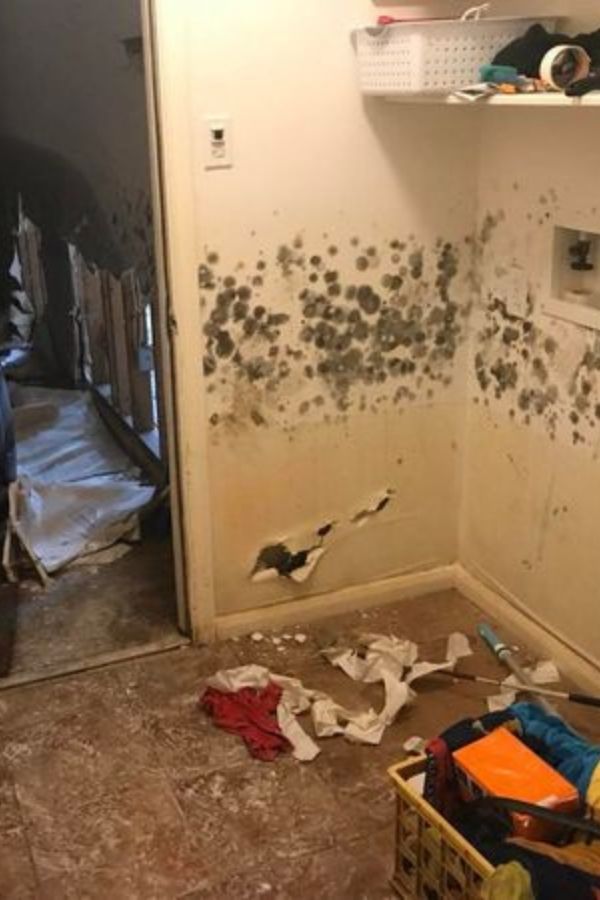
Spring’s high humidity and seasonal Gulf storms can complicate drying. Water may move beneath flooring or into drywall, insulation and wall cavities. A dry-looking surface does not establish that the material beneath it is dry. Furniture and personal belongings may also be affected, but whether an item can be dried depends on its material, exposure time and the condition of the water. Keep affected items available for assessment rather than discarding them solely because their surfaces feel damp.
02
How we inspect, extract and dry affected areas
- Identify the source and inspect the affected area. We assess where the water entered and use infrared imaging and moisture detection tools to map visible and concealed moisture.
- Extract standing water. Removing pooled water limits further contact with flooring, walls and other materials.
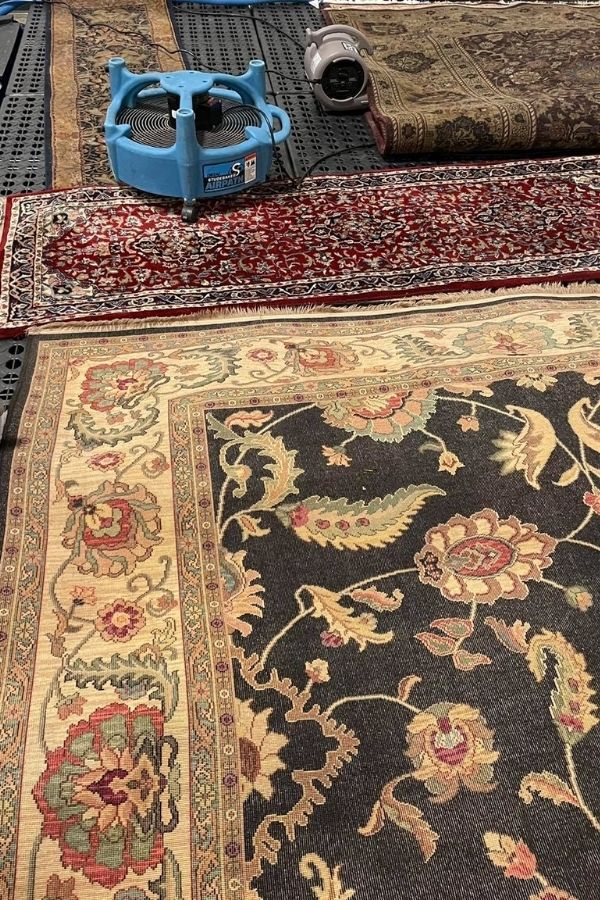
- Set up controlled drying. We use air movement and dehumidification to dry affected structural materials, including areas where moisture has migrated beyond the visible damage.
- Monitor moisture. We check affected flooring, drywall and framing as drying progresses. Those readings help determine whether additional drying or material evaluation is needed.
- Evaluate what remains damaged. After drying, we assess which materials can be restored and which may need removal or replacement. The extent of any repair work depends on what the inspection finds.
Our drying and mitigation approach follows IICRC S500-aligned protocols. For a Spring water loss, the useful starting point is a moisture assessment, not an assumption that only the room with standing water was affected.
03
How water condition and mold concerns change the work
The source of the water matters. A supply-line leak may begin as clean water. A washer overflow can involve gray water, while sewage exposure and floodwater require contaminated-water precautions. The condition can change as water contacts building materials or remains in place, so we evaluate the affected area before determining containment, sanitation and drying steps.
Prompt extraction and controlled drying help reduce the conditions that allow mold growth. For Category 2 or 3 water losses, our described mitigation process includes EPA-registered antimicrobial treatment of affected materials. That moisture-control work is distinct from diagnosing an existing mold problem or setting the scope and price of mold remediation.
04
What affects the restoration estimate
We offer free estimates. The work involved can change substantially with the area reached by the water, how long materials remained wet, whether moisture entered flooring or wall cavities, and whether the water is contaminated. Extraction and drying needs also differ from the removal or replacement of materials that cannot be restored.
A small, promptly contained supply-line leak and stormwater spread across several rooms call for different work. Moisture mapping helps establish the affected area so you can evaluate the proposed drying and any subsequent material work. To get started, call (832) 303-3546 or request a free estimate.
05
How to document damage and compare estimates
If it is safe to do so, photograph affected rooms and belongings before moving them, record when you discovered the water, and keep relevant receipts and communications. Our process uses moisture measurements during inspection and drying; those findings can help explain why work extends beyond visible staining. Your insurer determines coverage under your policy, so retain your own records and compare the proposed scope with any claim requirements.
When comparing providers, look for a clear distinction between extraction, monitored drying, contaminated-water treatment and repairs. Check whether reviews describe work like yours, rather than relying on a star rating alone. UpFront Home Services cites more than 4,000 five-star reviews across its services; that figure is not a count of Spring water-restoration jobs. Compare each provider’s current reviews, proposed scope and availability directly.
Serving Spring and the neighborhoods around it
ZIP codes we cover in Spring: 77373, 77379, 77380, 77381, 77382, 77383, 77386, 77387, 77388, 77389, 77391, 77393.
Based at 19911 Morton Rd in Katy. Same crew, same pricing, anywhere we serve.
More UpFront services in Spring
Water Damage Restoration in other communities we serve
Often, yes. The deciding factors include where the water traveled, its level of contamination and how long materials stayed wet. Some affected materials can be dried and retained; prolonged saturation or contamination may call for removal and replacement. We assess moisture in flooring, walls and framing so the decision is based on the condition of the materials, not just how the room looks after water extraction.
There is no single price that fits every property. The affected area, location of growth, materials involved and containment or removal needs all influence a remediation estimate. Water extraction and drying are intended to reduce moisture and mold risk, but they are not a price quote for mold remediation. If you can see or smell suspected growth, avoid disturbing it while the area is evaluated.
Drying time depends on how much water entered, the materials it reached and whether moisture remains beneath floors or inside walls. Spring’s humidity can make controlled dehumidification particularly important. We monitor moisture during drying rather than choosing an end date from the appearance of the surface. If damaged drywall, insulation or flooring needs replacement, that work can extend the overall restoration beyond the drying stage.
Our process includes assessing the affected area, mapping moisture, extracting standing water, setting up structural drying and checking moisture as materials dry. We then evaluate what can be restored and what may need removal or replacement. The work required for a particular loss depends on the water source and the materials affected, so a free estimate should reflect the conditions found at your property.
We offer free estimates, not free extraction, drying or repairs. The estimate depends on the affected area, water condition, drying needs and any materials that require additional work. If you are comparing costs in Spring, check that estimates describe the same scope. A price covering only removal of standing water does not describe the same work as one that also addresses moisture inside flooring or walls.
We provide fast response to water emergencies in Spring. For current availability and response timing, call (832) 303-3546. While arranging help, address an active leak only if you can reach a shutoff safely. Keep clear of water near electrical fixtures or outlets. Prompt action matters because water can continue moving into porous materials after the original leak stops.
Drying and rebuilding are different stages. After extraction and monitored drying, we evaluate whether affected materials can remain or whether items such as drywall, baseboards, insulation or flooring need removal and replacement. The findings determine what further work is appropriate. When comparing estimates, identify which material work is included in the proposed scope rather than treating completion of drying as completion of every repair.
If it is safe, stop the water at its source and move dry, unaffected belongings away from the wet area. Do not enter standing water near electrical equipment, and avoid contact with sewage or floodwater. Take photographs from a safe position before moving affected items. Leave wet flooring and walls accessible for inspection so moisture beyond the obvious puddle can be assessed.
We conduct a comprehensive moisture evaluation that includes infrared thermography, both penetrating and non-penetrating moisture meters, along with hygrometric measurements. This lets us spot both surface saturation and hidden moisture inside wall cavities, insulation, baseplates, and flooring systems common in slab-on-grade homes across Spring.
We handle all categories of water loss: Category 1 (Clean Water): supply line leaks, appliance failures Category 2 (Gray Water): washer overflows, minor contamination Category 3 (Black Water): floodwater intrusion or sewage exposure Each category needs its own containment, sanitation, and drying steps, depending on how contaminated the area is.
We control mold risk through rapid extraction, targeted dehumidification, and maintaining vapor pressure equilibrium below dew point thresholds. In Category 2 or 3 losses, we apply EPA-registered antimicrobial treatments to affected materials. Continuous monitoring ensures moisture content remains below levels conducive to fungal colonization, which is critical in Spring’s high-humidity environment.
It depends on the severity and duration of exposure. Surface-level Category 1 losses may only require drying and minor repairs, while prolonged saturation can require removal and replacement of drywall, baseboards, insulation, or flooring systems. We always evaluate materials post-drying to determine what can be safely restored versus replaced.
What Houston homeowners say
4.9 on Google from 4,144 reviews
WOW! exceptional! worked a few miracles! 5 stars! highly recommend!
Very responsive and did a great job
Awesome cleaning and wonderful employee!!
Great service! Very professional! Definitely recommend
Kaylen was very professional and timely. He did a great job and our carpeting looks great! I would highly recommend him and UpFront Services.
UpFront did a great job! We have a 20 year old carpet in the large game room above our garage that is 20 years old. Rory cleaned it and the carpeted stairs, and it looks brand new! Thank you!