
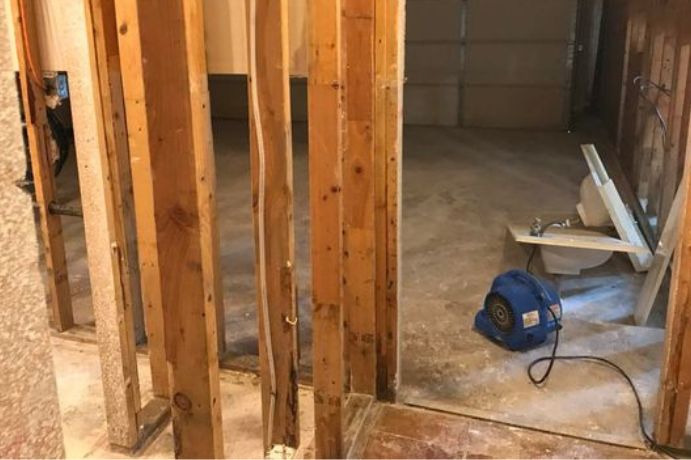


How much water damage restoration can cost in Willis
A useful starting range for professional water damage restoration in the Willis area is $1,200 to $5,000. That is a planning range, not a price for every loss. A small, promptly addressed clean-water leak may cost less; widespread contaminated water or substantial reconstruction can cost more. The amount you pay depends on which parts of the home are wet, what the water contains, how much drying is needed and what must be repaired.
For scale, smaller affected areas under 100 square feet have been estimated at $500 to $1,500, while affected areas of 100 to 500 square feet have been estimated at $1,500 to $4,000. Jobs affecting more than 500 square feet can reach $4,000 to $10,000 or more. These are alternative ways to describe possible project scopes, not amounts to add to the overall range. Square footage means the area affected by water, not the size of your entire house.
What changes the cost
The water source and contamination level
Water from a broken supply line generally calls for different cleaning than an appliance discharge or sewage backup. As broad project guides, clean-water work has been estimated at $1,200 to $2,500, gray-water work at $2,000 to $4,000, and black-water work at $3,500 to $7,000 or more. The source alone does not settle the category: water can pick up contaminants as it travels or sits. Suspected sewage or other heavily contaminated water calls for staying out of the affected area.
The materials water reaches
A wet floor surface is different from water that has moved into drywall, insulation, cabinets or subflooring. Those materials may need access for drying or removal and replacement. For budgeting, drywall replacement has been estimated at $1.50 to $3 per square foot and flooring repairs at $7 to $15 per square foot. Ceiling repair has been estimated at $500 to $2,000 or more. These are repair examples, not rates for the entire restoration job.
The size, timing and repair scope
More wet rooms mean more extraction, equipment time and labor. Delayed discovery can allow moisture to remain behind finishes even after the visible water is gone. In Willis, heavy rain can also leave homeowners dealing with water that entered from outdoors rather than a plumbing leak; that distinction matters for both cleaning and insurance. If mold remediation is needed, the additional work has been estimated at $500 to $6,000 or more. Mold risk depends on moisture and conditions, not a fixed countdown.
What each stage of work pays for
Assessment: We identify the water source and category, check how far moisture has traveled with moisture meters and thermal imaging, and plan the work.
Extraction: Pumps and vacuums remove standing water. Removing visible water is an important first step, but it does not dry water held inside building materials.
Mitigation: Air movers, dehumidifiers and moisture checks address remaining dampness. Cleaning and antimicrobial treatment may be part of the work when conditions call for them.
Restoration: Damaged drywall, flooring, ceilings, cabinets or insulation may need repair or replacement, followed by finishing work such as painting.
An extraction-only price therefore covers less than a price that includes drying and reconstruction. We provide water removal and full-scale restoration. For a clear comparison, separate the immediate cleanup from later repairs rather than treating every use of “water restoration” as the same scope.
What to compare in a restoration estimate
Start with the affected rooms and materials, the identified water source, and the work proposed for each area. A useful estimate distinguishes inspection, extraction, drying, cleaning and repairs. It should make clear whether drywall removal, flooring replacement, ceiling work, painting and mold-related work are included. Also compare the proposed drying equipment and duration, any emergency charge, and how additional work will be priced if opening a wall or floor reveals more damage.
Two totals are only comparable when they cover the same work. A lower bid that stops at water removal is not equivalent to one that includes structural drying and replacement materials. If you are considering an insurance claim, keep photos of the damage, the written scope and receipts together. Your policy and the cause of the loss determine coverage; an estimate does not establish what an insurer will pay.
What happens after you discover water damage
If you can safely stop the source, do so and move valuables away from the wet area. Avoid standing water near electrical outlets or equipment, and stay out of areas affected by suspected sewage. Our team is available 24/7 for water emergencies, and we offer a free assessment.
After assessing the source and moisture, we remove standing water, then dry affected materials while checking progress. Extraction may take several hours to a full day, depending on the amount of water. A typical restoration timeline is 3 to 7 days, while extensive drying and reconstruction can take weeks. Water trapped in insulation or subflooring, contaminated materials and the amount of repair work all affect when the home is ready.