
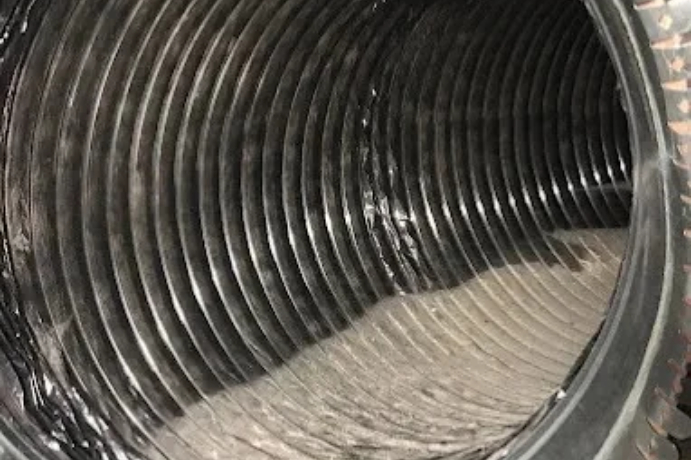


What the dust pattern tells you
Start by looking at where the dust sits. A supply vent delivers cooled or heated air into a room; a return grille draws room air back toward the HVAC system. Lint or pet hair caught on a return grille may have collected there before reaching the filter. Dust resting on a supply cover or nearby ceiling can come from household air and airflow across the surface. Neither pattern, by itself, proves the ducts are dirty.
If the grille looks clean but dust outlines its edges, look at the fit between the cover and ceiling. If loose particles appear to blow from a supply vent when the AC starts, check the filter and note whether it happens at one register or several. Dust that returns soon after you wipe a cover may point to an ongoing particle source, an airflow gap or debris that surface cleaning cannot reach.
Why dust builds up around ceiling vents
Air moving across a ceiling can deposit fine particles along a register’s edges, especially on textured finishes. A loose cover or a gap between the duct boot and drywall can also allow air to move through the opening and leave a dark outline. Cleaning the mark may improve its appearance, but a ring that quickly reappears calls for a closer look at the register fit and surrounding connection.
Dust has other routes into a room. Fabric fibers, tracked-in soil, pollen, pet dander and renovation residue can settle on surfaces and become airborne again during everyday activity. A small amount on a vent cover is common; visible debris blowing from a supply register or substantial buildup inside accessible ductwork deserves more attention.
How we suggest checking the filter and household dust sources
- Inspect the HVAC filter for heavy buildup, damage and gaps around its frame. Replace it when needed, following the filter and equipment manufacturers’ guidance rather than a single schedule for every home.
- Check it more often if pets, renovation work or other dusty conditions add particles to your home. Choose a filter compatible with your system: one that is too restrictive can reduce airflow.
- Look at return grilles, rugs, upholstery and pet bedding. Dust on these surfaces can keep circulating even after you clean a supply vent.
- Notice whether dust began after drywall sanding, flooring work or another project. Fine construction debris can enter openings and load a filter quickly.
A filter that is heavily clogged, missing or poorly fitted is a more useful clue than dust on a cover alone. If airflow is weak as well as dusty, the filter and HVAC equipment warrant attention before treating duct cleaning as the only solution.
How to clean vents and reduce recurring dust
For ordinary surface dust, turn off the HVAC system, vacuum the accessible grille with a soft brush attachment, then wipe it with a lightly damp microfiber cloth. Clean the surrounding wall or ceiling using a method suitable for its finish, and let the area dry. Check the filter while the system is off. Do not spray cleaner into the opening or push household tools deep into ductwork.
To reduce the particles that replace what you remove, vacuum rugs and upholstery, damp-dust nearby surfaces, wash pet bedding and keep return grilles clear of lint and hair. Entrance mats can limit tracked-in dirt. An added material over a vent is not a substitute for fixing a poorly fitted HVAC filter or a duct leak, and anything that blocks a grille can interfere with airflow.
When a duct leak or HVAC component needs attention
A return-side duct leak can draw dusty air from an attic, wall cavity or another unconditioned space. Visible gaps, damaged connections, dust at several supply vents and buildup that returns unusually quickly are reasons to investigate, but the dust pattern alone cannot identify a leak. If leakage is the source, sealing or repairing the connection addresses the entry point; cleaning a vent cover does not.
Dust on a blower or coil may also point to a filtration or HVAC maintenance issue. If the filter fits correctly but airflow remains weak or particles appear when the system starts, an HVAC evaluation can help distinguish equipment buildup from duct debris. We would not recommend duct cleaning as a substitute for correcting a leak, a filter problem or a moisture source.
What dark marks and moisture mean
Black or dark gray marks can be ordinary dust, particles from candles or cooking, or staining where air passes a small gap. Color alone cannot identify mold. If a mark is accompanied by dampness, condensation, a musty odor or visible growth, avoid scrubbing or disturbing the material and have the moisture source evaluated. Suspected hazardous renovation materials also call for appropriate precautions rather than routine DIY vent cleaning.
How Houston-area conditions affect buildup
In Katy, Houston, Cypress, Spring and The Woodlands, long periods of air-conditioning use mean air moves through registers frequently. Pollen, tracked-in soil and dust from construction activity can add to the particles circulating indoors. Humid air can also leave condensation on a sufficiently cool surface. That combination makes it useful to separate dry surface dust from a damp or recurring stain before choosing a remedy.
How we approach professional air duct cleaning
UpFront Home Services provides professional air duct cleaning throughout the Greater Houston area. We begin by evaluating accessible system components and looking for accumulated debris. When cleaning is appropriate, we use professional source-removal methods to address debris in the duct system. What can be cleaned depends on the system and the accessible areas involved.
Substantial visible debris inside accessible ductwork, particles blowing from supply registers, construction material that entered the system or evidence of pest contamination are stronger reasons to consider cleaning than dust on a grille alone. Cleaning removes accumulated debris; it does not stop new dust from fabrics and pets or correct a leaking connection. If the evidence points instead to filtration, moisture, duct leakage or HVAC equipment, addressing that cause matters more than repeating a cleaning.
What affects the scope and cost of the right fix
The work needed depends on what is producing the dust. Cleaning accessible debris is a different task from repairing a duct connection or addressing HVAC equipment. The amount and location of buildup, how much of the duct system is accessible, and whether contamination followed renovation or pest activity can change the scope of cleaning. A moisture source or leak may require separate corrective work. Choose the remedy based on the source you can identify, not simply the darkness of the vent cover.
If substantial debris appears to be coming from your home’s ducts, contact UpFront Home Services about professional air duct cleaning. You can use the steps above to note which vents are affected, whether dust appears when the system starts and whether the area is damp before discussing the problem with us.
2. Household Dust Naturally Settles Around Vents
Even a properly maintained HVAC system cannot eliminate all household dust.
Dust originates from many sources, including fabric fibers, skin flakes, outdoor soil, pollen, and particles generated through everyday activities.
As people move through rooms, some settled particles become airborne again. Airflow from supply registers can redistribute these particles, while return registers may collect lint and dust on their grilles.
Common household dust sources include:
- Carpets and area rugs.
- Upholstered furniture.
- Bedding and blankets.
- Clothing and fabric fibers.
- Pet hair and dander.
- Outdoor dirt.
- Cooking particles.
- Dust from home improvement projects.
Regular vacuuming, damp dusting, and appropriate filtration can help reduce the amount of dust available to settle around vents.
However, a completely dust-free home is not a realistic expectation.
7. Home Renovations Can Leave Dust Inside Vents
Construction and remodeling projects generate fine particles that can travel throughout a home.
Drywall sanding, flooring installation, demolition, and woodworking may release large amounts of dust.
If HVAC openings are not adequately protected during construction, debris may enter the duct system.
Common renovation-related particles include:
- Drywall dust.
- Wood dust.
- Flooring debris.
- Insulation particles.
- Paint preparation dust.
- General construction residue.
These materials can collect around registers and inside accessible ductwork.
After major renovations, inspect the air filter and evaluate whether debris entered the HVAC system. Significant contamination may justify professional duct inspection and cleaning.
Dust from older building materials may require specialized precautions, particularly when hazardous substances are suspected.
Why Are My Return Air Vents So Dusty?
Return air vents draw indoor air toward the HVAC system. As air passes through the grille, larger particles such as lint, pet hair, and household dust may collect on its surface.
This is especially noticeable when return grilles are located near floors, hallways, or areas with substantial household activity.
Common reasons for excessive return vent dust include:
- High concentrations of household particles.
- Pet shedding.
- Dirty carpets and upholstery.
- Lint from clothing and fabrics.
- Dust disturbed during cleaning or movement.
- Infrequent grille cleaning.
Return grilles may become visibly dusty even when the HVAC filter is functioning correctly because particles can collect on the grille before reaching the filter.
Keeping the grille clean and maintaining proper filtration can help reduce accumulation.
How Houston’s Climate Contributes to Dust Around Air Vents
Homes throughout Houston, Katy, Cypress, Spring, and The Woodlands experience environmental conditions that can influence dust accumulation.
Long cooling seasons mean HVAC systems circulate air frequently. Outdoor pollen, soil, and particles from everyday activities can enter homes through doors, windows, and other openings.
Humidity also creates conditions where condensation may develop on cool surfaces when temperatures fall below the surrounding air’s dew point.
Local factors that may contribute to vent-related problems include:
- Extended air conditioning use.
- Outdoor pollen.
- Construction activity in developing neighborhoods.
- Soil tracked indoors after rainfall.
- Pet activity.
- Humid conditions that contribute to condensation.
- Air leakage around duct connections.
These factors do not mean that every Houston-area home requires frequent duct cleaning.
Instead, homeowners should evaluate actual dust accumulation, filter condition, moisture problems, and evidence of duct contamination.
What Happens During Professional Air Duct Cleaning?
Professional air duct cleaning generally begins with an inspection of the system and its accessible components.
The technician evaluates the condition of the ductwork and identifies areas with accumulated debris.
Depending on the system and service scope, the cleaning process may involve:
- Initial inspection: Evaluate accessible ducts, registers, and visible contamination.
- System preparation: Protect the home and prepare equipment for cleaning.
- Negative-pressure collection: Use specialized equipment to collect loosened debris.
- Mechanical agitation: Dislodge accumulated material using appropriate tools.
- Debris extraction: Remove loosened dust and contaminants from accessible duct surfaces.
- Final inspection: Evaluate the cleaned areas and discuss any remaining concerns.
Cleaning methods should be compatible with the duct material and HVAC system.
Some duct materials require special handling, and damaged or contaminated insulation may need replacement rather than aggressive cleaning.